
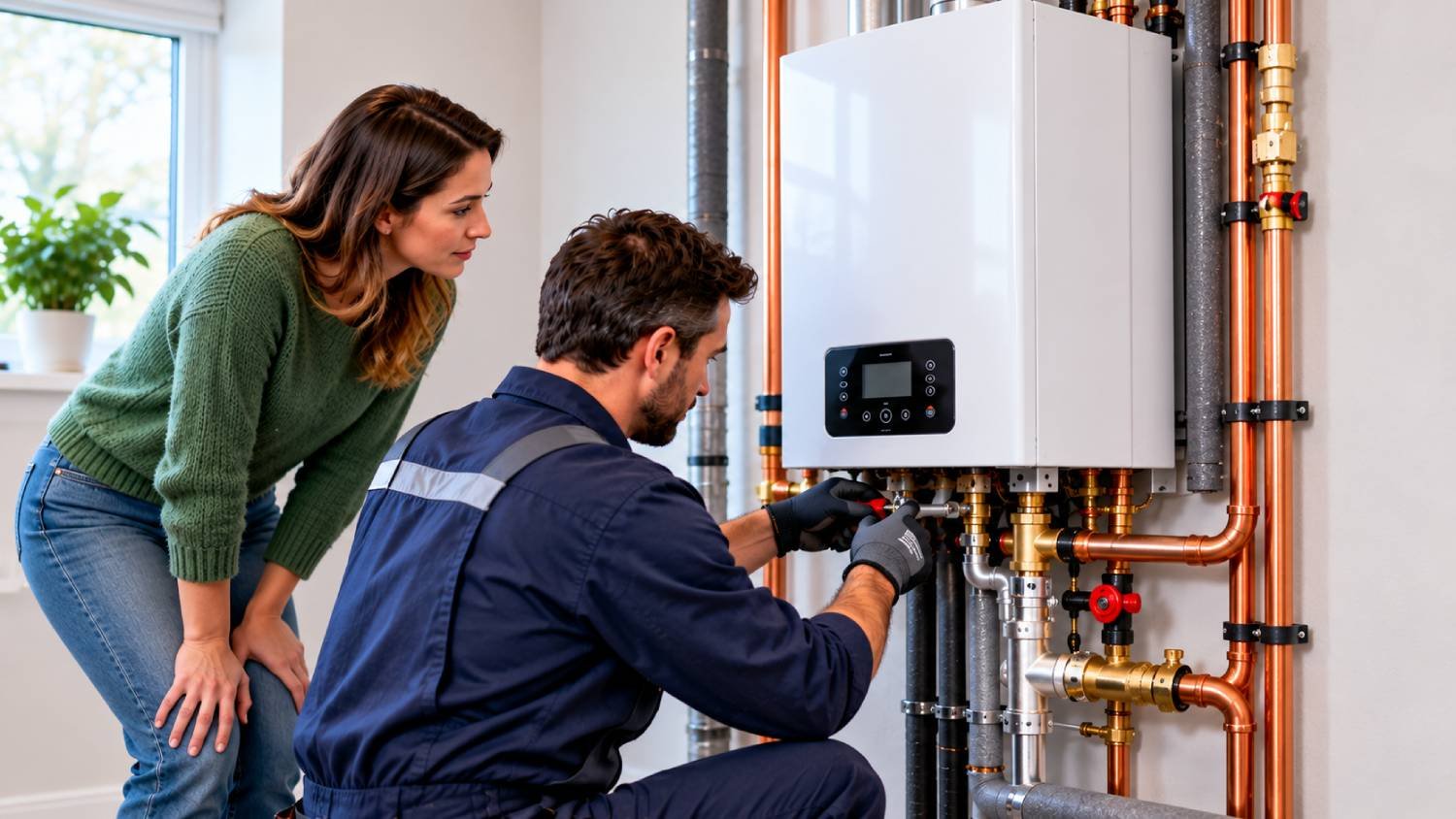
Installing a new boiler is a significant home improvement investment. The total cost depends on the boiler type, heating requirements, labour, and whether the existing system needs modifications. Understanding these factors helps homeowners prepare a realistic budget and avoid unexpected expenses.
In 2026, boiler installation prices can vary considerably depending on the equipment selected and the complexity of the work. Comparing estimates and understanding what each quote includes can help you make an informed decision.
How Much Does Boiler Installation Cost in 2026?
For many US homeowners, a straightforward boiler replacement may cost several thousand dollars, while more complex installations can cost considerably more. The final price depends on the boiler’s capacity, efficiency rating, fuel source, and the condition of the existing heating system.
Homeowners researching boiler installation in Hunterdon County, NJ should request local estimates rather than relying on a single national average. Labour rates, property layouts, local requirements, and equipment availability can influence the final quotation.
Basic replacements are generally less expensive than installations involving premium equipment, boiler relocation, or substantial system modifications. Complex projects may cost significantly more, so homeowners should obtain a detailed assessment before setting a final budget.
What Factors Affect Boiler Installation Prices?
1. Boiler Type and Fuel Source
The type of boiler you choose has a direct impact on the overall cost. Gas-fired boilers are common in properties with an existing natural gas connection, while oil-fired systems may suit homes that already use heating oil. Electric boilers are another option, although operating costs and electrical requirements should be considered.
Converting from one fuel source to another can increase installation costs because additional pipework, electrical work, ventilation changes, or fuel connections may be necessary.
2. Boiler Size and Efficiency
A boiler must provide enough heat for the property without being unnecessarily large. Contractors should assess the home’s heat loss, insulation, room sizes, and hot water demand before recommending a suitable model.
High-efficiency boilers may have a higher purchase price but can reduce fuel consumption under appropriate operating conditions. Actual savings depend on the previous system, energy prices, controls, and household heating habits.
3. Labour and Installation Complexity
Labour costs depend on how long the installation takes and whether the existing system can be reused. Replacing a boiler in the same location is often simpler than relocating it or installing a completely different heating system.
When comparing boiler installation in Hunterdon County, NJ, ask contractors to explain their labour charges, estimated completion time, warranty provisions, and any work excluded from the quotation.
Additional Charges to Include in Your Budget
The boiler itself is only part of the overall expense. Several additional items may affect the final bill.
- Pipework modifications: Old or unsuitable pipes may need replacement or alteration.
- Flue and ventilation work: Changes may be required to meet the appliance manufacturer’s specifications and applicable safety codes.
- Controls and thermostats: New heating controls can add to the upfront cost while improving temperature management.
- Electrical upgrades: Some installations require new wiring, circuits, or other electrical work.
- System cleaning: Flushing the heating system may be recommended when sludge or debris could affect performance.
- Permits and inspections: Applicable local requirements may involve additional fees.
- Disposal and removal: Removing the old boiler and disposing of it properly may incur a separate charge.
Request an itemised quotation so you can identify which expenses are included and which could arise during the work.
How to Keep Boiler Installation Costs Under Control
Careful planning can help you manage the investment without compromising safety or heating performance.
First, obtain at least two or three detailed quotations from qualified contractors. Compare the proposed boiler models, warranties, labour, materials, and exclusions rather than choosing solely on the lowest price.
Second, ask whether existing pipework, radiators, controls, and flues can be safely retained. Reusing suitable components may reduce unnecessary expenditure, but outdated or unsafe equipment should not be retained simply to save money.
Finally, check whether any manufacturer incentives, utility programmes, or applicable government schemes are available. Eligibility and funding can change, so verify current terms before including potential savings in your budget.
Frequently Asked Questions
How long does boiler installation take?
A straightforward replacement may take one to two days. Relocating the boiler, changing fuel sources, or modifying substantial pipework can extend the project.
Is a high-efficiency boiler worth the investment?
It may be worthwhile if the improved efficiency reduces energy consumption enough to justify the additional upfront cost. Ask for an estimate based on your home’s heating needs and current fuel use.
Should I repair or replace my existing boiler?
Consider the boiler’s age, repair history, efficiency, reliability, and the cost of the required repair. A qualified technician can assess whether repair or replacement is the more practical long-term option.
Final Thoughts
Boiler installation costs in 2026 depend on equipment selection, labour, system compatibility, electrical requirements, and additional work required at the property. A detailed quotation makes it easier to understand the total investment and avoid unexpected charges. By comparing suitable options and prioritising correct sizing, safe installation, and long-term efficiency, homeowners can make a better-informed heating decision.


