Modern households depend heavily on electricity to power daily life, from smart home devices and entertainment systems to electric vehicle chargers and energy-efficient appliances. As technology continues to evolve, many homes are placing far greater pressure on their existing electrical infrastructure than ever before. Older wiring, outdated electrical panels, and overloaded circuits can struggle to support these rising energy demands, leading to reduced efficiency, safety risks, and costly electrical issues. Preparing your home’s electrical system for increased power usage is now an essential part of responsible property maintenance and long-term home improvement planning.
Professional electrical service plays a key role in helping homeowners improve electrical safety, energy efficiency, and overall system reliability. Whether upgrading circuits, modernising electrical panels, or preparing for future renovations, proactive electrical maintenance can prevent serious problems before they occur. A properly updated electrical system not only supports modern appliances and technology more effectively but also helps improve property value, reduce power disruptions, and create a safer living environment for the entire household.
Why Modern Homes Need More Electrical Capacity
The way people use electricity has changed significantly in recent years. Many households now operate multiple devices simultaneously throughout the day. Remote working, online learning, and smart home technology have all contributed to higher electricity consumption.
A home built twenty or thirty years ago was not necessarily designed to handle today’s electrical load. Older systems often supported fewer appliances and lower overall energy use. Modern additions such as air conditioning systems, large kitchen appliances, gaming setups, and electric heating can place substantial pressure on outdated wiring and electrical panels.
As a result, homeowners may begin noticing signs that their current system is struggling to cope with increased demand.
Warning Signs Your Electrical System May Be Overloaded
Electrical problems often develop gradually. Recognising early warning signs can help prevent larger issues from developing.
Some of the most common indicators include:
- Frequently tripping circuit breakers
- Flickering or dimming lights
- Warm or discoloured sockets
- Buzzing sounds from outlets or panels
- Limited available plug sockets
- Extension leads being used throughout the home
- Appliances losing power unexpectedly
These problems may appear minor at first, but they can indicate that the electrical system is operating beyond its safe capacity. Ignoring these warning signs can increase the risk of electrical fires and equipment damage.
The Importance of Upgrading Electrical Panels
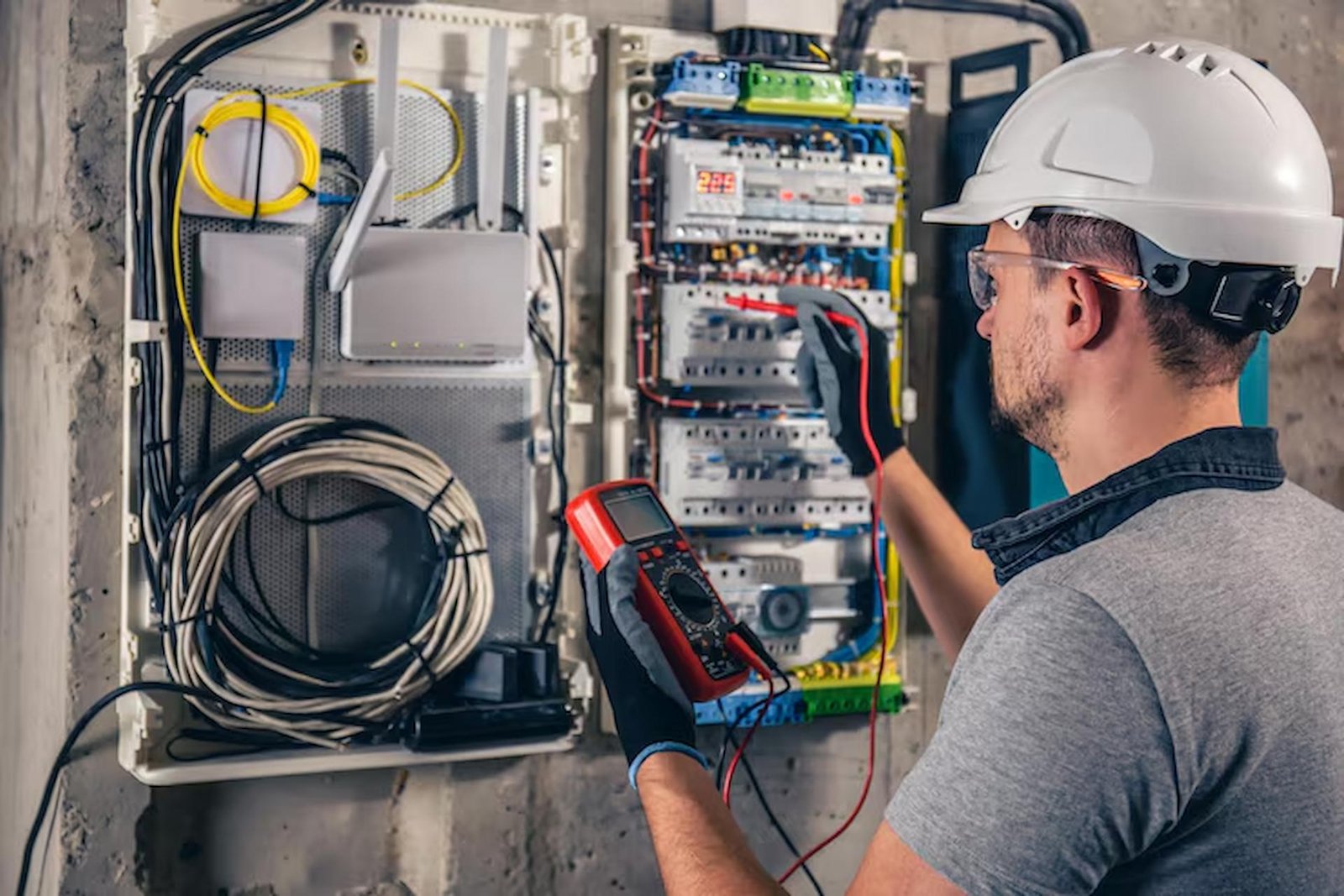
The electrical panel acts as the central control point for a property’s electricity supply. If the panel is outdated or undersized, it may struggle to distribute power safely across the home.
Many older homes still operate with panels designed for lower electrical usage. Modern households often require larger capacity panels capable of handling higher amperage demands. Upgrading an electrical panel can improve both performance and safety while creating additional space for future electrical additions.
A professional electrical service inspection can determine whether a panel upgrade is necessary based on the home’s current and future energy requirements.
Preparing for Electric Vehicle Charging
Electric vehicles are becoming increasingly common across the UK and internationally. Home charging stations provide convenience and long-term savings, but they also require substantial electrical capacity.
Installing an EV charger without evaluating the existing system can place significant strain on older wiring and circuits. In some cases, homeowners may need panel upgrades or dedicated circuits before charging equipment can be safely installed.
Planning ahead for electric vehicle charging is particularly important for households considering multiple electric vehicles in the future. A properly prepared electrical system can support charging needs without affecting the rest of the home’s power supply.
Supporting Smart Home Technology
Smart home systems continue to grow in popularity. Devices such as automated lighting, security systems, voice assistants, smart thermostats, and connected appliances all rely on a stable electrical infrastructure.
While individual smart devices may consume relatively small amounts of electricity, the combined demand across an entire property can become significant over time. Homes with older wiring may experience connectivity interruptions or inconsistent performance if the electrical system is not properly maintained.
Upgrading circuits and ensuring sufficient power distribution can help smart home systems operate more reliably while reducing stress on the overall network.
Why Proper Wiring Matters
Wiring is one of the most important yet overlooked parts of any home’s electrical system. Damaged, ageing, or poorly installed wiring can create serious safety risks.
Older properties may still contain outdated wiring materials that no longer meet modern safety standards. In some cases, insulation around wiring deteriorates over time, increasing the risk of overheating or electrical faults.
Modern wiring upgrades can provide several benefits:
- Improved electrical safety
- Better energy efficiency
- Reduced risk of power failures
- Greater support for modern appliances
- Increased property value
- Easier future renovations or extensions
Professional inspections can identify hidden wiring problems before they become dangerous.
Energy Efficiency and Electrical Demand
Many homeowners focus on reducing electricity bills without considering how their electrical system affects efficiency. An outdated or overloaded system can waste energy and reduce appliance performance.
Efficient electrical systems help appliances operate correctly while maintaining consistent voltage throughout the property. This can improve the lifespan of household equipment and reduce unnecessary energy consumption.
Simple improvements such as LED lighting, energy-efficient appliances, and modern circuit management can support lower energy usage. However, these upgrades work best when supported by a reliable electrical infrastructure.
Planning for Future Home Improvements
Electrical planning should be part of any major home improvement project. Kitchen renovations, loft conversions, home offices, and extensions all increase electrical demand.
Failing to prepare the system for future expansion can result in expensive modifications later. Homeowners planning renovations should consider their long-term electricity requirements before construction begins.
Future-proofing an electrical system may include:
- Installing additional circuits
- Expanding panel capacity
- Adding surge protection
- Improving grounding systems
- Preparing for renewable energy systems
- Supporting future smart technology upgrades
Forward planning can reduce future disruption while ensuring the property remains safe and adaptable.
The Value of Professional Electrical Inspections
Regular electrical inspections are one of the best ways to maintain a safe and efficient home. Professional electricians can identify issues that are not always visible to homeowners.
An inspection may include evaluating wiring condition, testing circuit performance, assessing panel capacity, and identifying safety concerns. These assessments are especially important for older homes or properties undergoing renovation.
Electrical standards and technology continue to evolve, which means systems installed years ago may no longer meet modern requirements. Professional evaluations help homeowners stay informed about necessary improvements and emerging risks.
Conclusion
As homes become increasingly dependent on technology and high-powered appliances, electrical systems must evolve to keep pace. Older wiring, undersized panels, and overloaded circuits can create safety concerns while limiting a home’s ability to support modern energy demands.
Preparing a property for increased electricity usage involves more than simply adding new devices. It requires careful planning, proper maintenance, and professional assessment of the home’s overall electrical infrastructure. Upgrading electrical components when necessary can improve efficiency, support future technology, and reduce the risk of costly problems.
Whether planning a renovation, installing an electric vehicle charger, or simply modernising an older property, investing in a safe and reliable electrical system is an important step toward protecting both the home and the people living in it.