An air conditioner rarely stops cooling without warning. In many cases, the problem develops gradually as refrigerant escapes through a small leak somewhere within the system. The signs can be subtle at first, but ignoring them can lead to higher energy bills, reduced comfort, and expensive repairs. Understanding the early indicators of refrigerant loss can help homeowners take action before a minor issue becomes a major breakdown.
Introduction
Air conditioning systems depend on refrigerant to move heat from inside the home to the outdoors. Without the proper amount of refrigerant circulating through the system, cooling performance begins to suffer. What makes refrigerant leaks particularly frustrating is how slowly they often develop. The system may continue running for weeks or even months while gradually becoming less effective.
Many homeowners mistake the symptoms for normal wear and tear or unusually hot weather. Meanwhile, the air conditioner works harder, consumes more electricity, and experiences additional strain. Learning how to identify the warning signs early can save money, prevent unnecessary discomfort, and help extend the life of the equipment.
Understanding How Refrigerant Works
Refrigerant is the substance responsible for absorbing heat from indoor air and releasing it outdoors. As it circulates through the evaporator coil and condenser coil, it changes state between liquid and gas, creating the cooling effect that keeps indoor spaces comfortable.
Unlike fuel in a vehicle, refrigerant is not consumed during normal operation. A properly functioning air conditioner should maintain the same refrigerant charge for years. If refrigerant levels are low, it almost always indicates that a leak exists somewhere within the system. Even a small loss of refrigerant can have a significant impact on performance because the cooling cycle relies on precise pressure and temperature relationships.
Early Warning Signs of a Refrigerant Leak
The good news is that refrigerant leaks usually provide warning signs before complete cooling failure occurs. Some of the most common symptoms include:
- Air conditioner running longer than normal
- Reduced cooling throughout the home
- Higher indoor humidity levels
- Increased energy consumption
- Uneven temperatures between rooms
- Difficulty reaching the thermostat setting
These issues often appear gradually, making them easy to overlook until performance becomes noticeably worse.
Physical Signs You Should Never Ignore
Certain symptoms are particularly strong indicators that refrigerant loss may be occurring. Watch for the following signs:
- Ice forming on refrigerant lines
- Frost developing on the evaporator coil
- Warm air blowing from supply vents
- Hissing sounds near the indoor unit
- Bubbling noises within refrigerant lines
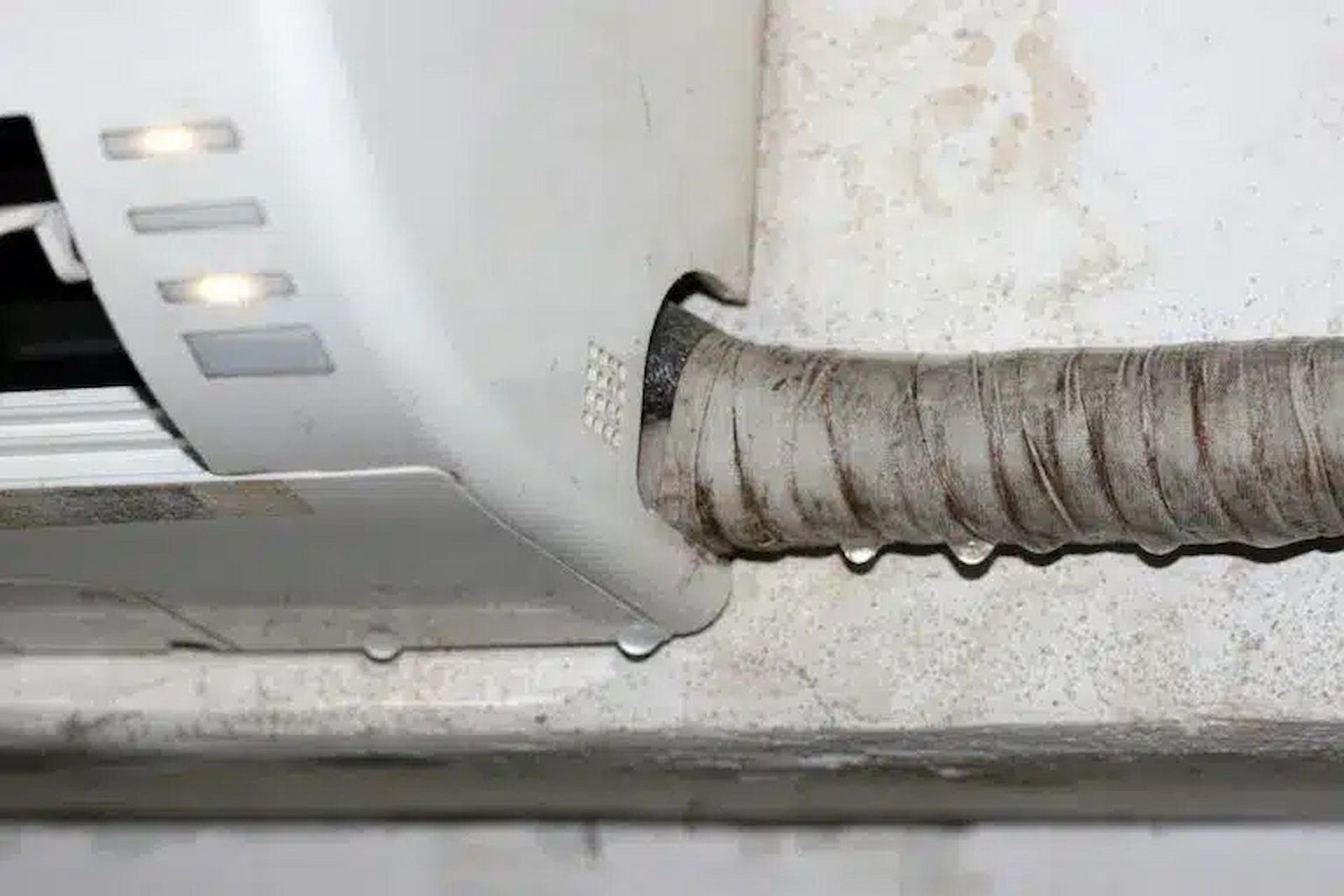
- Water around the indoor unit caused by melting ice
Ice formation may seem strange during hot weather, but it is actually one of the most common signs of low refrigerant levels. As pressure drops within the system, temperatures inside the coil can become cold enough to freeze moisture from the surrounding air.
Why Warm Air Can Signal a Bigger Problem
Many homeowners assume warm air means the air conditioner has stopped working entirely. However, a refrigerant leak often causes a more gradual decline in cooling performance.
The system may continue running continuously while struggling to remove enough heat from the home. Air coming from vents may feel only slightly cool or even room temperature despite the thermostat calling for cooling.
This extended runtime increases wear on components such as the compressor, which is one of the most expensive parts to replace. Addressing refrigerant issues early can help prevent secondary equipment damage.
The Connection Between Refrigerant Leaks and Higher Energy Bills
One of the clearest signs of a refrigerant leak often appears on the monthly utility bill. When refrigerant levels drop, the system must run longer to achieve the same level of cooling. Longer operating cycles mean increased electricity consumption and higher energy costs.
Homeowners sometimes blame rising energy prices or extreme weather when the real culprit is a hidden refrigerant leak. Comparing current energy bills with previous months can provide valuable clues about developing HVAC problems.
Why Refrigerant Does Not Simply Run Out
A common misconception is that refrigerant naturally decreases over time. In reality, refrigerant operates within a sealed system. If an HVAC technician discovers low refrigerant levels, there is a leak somewhere in the system. Simply adding more refrigerant without repairing the leak is only a temporary solution. Professional technicians use specialised equipment to locate the source of the leak before recharging the system. This approach ensures the problem is properly resolved rather than repeatedly treated.
What Homeowners Should Know About R-22 Refrigerant
Older air conditioning systems may still use R-22 refrigerant, sometimes called Freon. Due to environmental concerns, production of R-22 has been phased out in many regions. As a result, repairs involving R-22 systems can be significantly more expensive because the refrigerant has become increasingly difficult to obtain.
Homeowners with ageing equipment facing major refrigerant leaks may need to evaluate whether repair or complete system replacement offers better long-term value. A qualified HVAC professional can help assess the condition of the equipment and recommend the most practical option.
Frequently Asked Questions
How long can an AC run with a refrigerant leak?
An air conditioner can continue operating for weeks or months with a small refrigerant leak, but performance will gradually decline. Continued operation can increase energy costs and place additional stress on important components, potentially leading to more expensive repairs.
Is a refrigerant leak dangerous?
Most residential refrigerant leaks are not immediately dangerous, but they should be addressed promptly. Refrigerant exposure can pose health risks in enclosed spaces, and leaks reduce system efficiency while increasing the likelihood of equipment damage.
Can I add refrigerant myself?
Refrigerant handling requires specialised training and equipment. In many areas, only certified HVAC professionals are permitted to purchase and handle refrigerants safely. Professional diagnosis is essential to locate and repair the leak before recharging the system.
Why is ice forming on my AC unit during summer?
Ice often forms when refrigerant levels become too low. Reduced pressure inside the system can cause coil temperatures to drop below freezing, leading to ice accumulation despite hot outdoor conditions.
Should I repair or replace an older AC with a refrigerant leak?
The answer depends on the age of the system, repair costs, and refrigerant type. Older R-22 systems with significant leaks may be better candidates for replacement, while newer systems are often worth repairing.
Final Thoughts
Refrigerant leaks rarely happen overnight. Instead, they develop gradually, creating subtle warning signs that many homeowners overlook until cooling performance drops dramatically. Warm air from vents, ice on refrigerant lines, unusual sounds, rising humidity levels, and higher energy bills can all indicate that your air conditioner is losing refrigerant.
Recognising these symptoms early gives homeowners the opportunity to address the issue before it leads to costly breakdowns or compressor damage. Because refrigerant does not naturally disappear, low levels always point to an underlying leak that requires professional attention. Acting quickly not only restores comfort but can also protect the long-term health and efficiency of your cooling system.